

 See My Latest Article on HelloNation
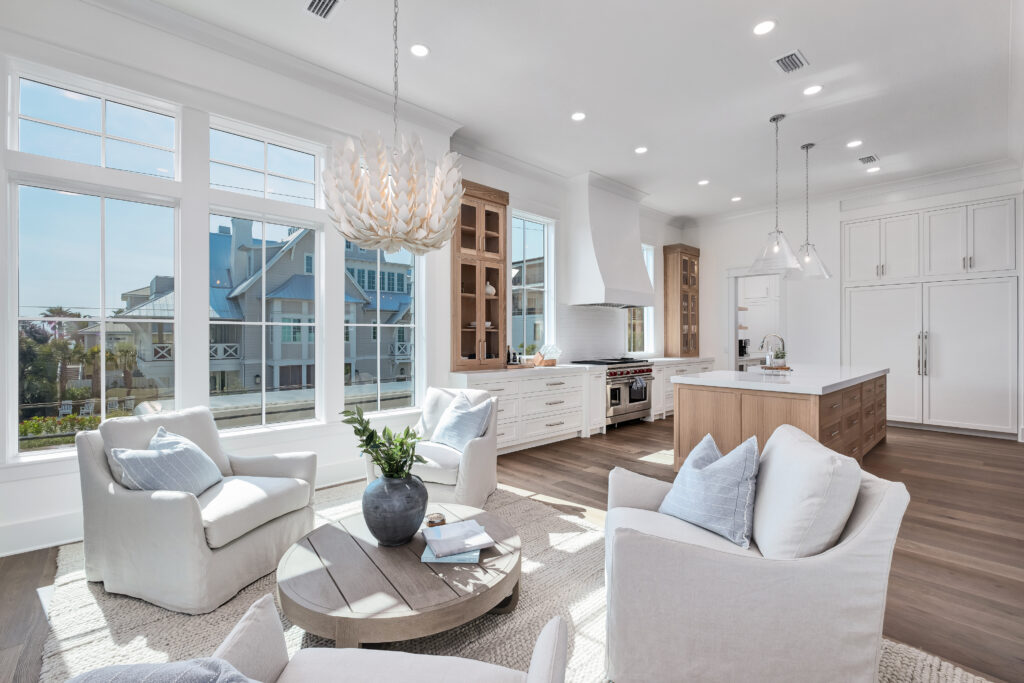
What Are Open Floor Plans and Why Are They Popular in Santa Rosa Beach, FL?
Open floor plans eliminate walls and barriers between major living spaces such as the kitchen, living room, and dining area, creating a single, expansive area. In Santa Rosa Beach, these designs appeal to many local households because they foster a bright, airy environment and encourage a sense of togetherness, particularly in homes near the coast where natural light and scenic views are highly valued.
How Do Open Floor Plans Enhance Daily Living?
Open layouts tend to improve social interaction and make spaces feel larger. For many local residents, entertaining friends or keeping an eye on family while preparing meals becomes easier with fewer walls. Homes with open plans also benefit from increased airflow—an asset in Santa Rosa Beach’s warmer spring and fall months.
Practical advantages include:
- Better sightlines for supervising children or pets.
- Flexible arrangement for furniture and décor.
- More natural light flowing throughout the space.
Are There Downsides to Noise and Privacy With Open Floor Plans?
The absence of interior walls amplifies sounds, making quiet, private activities more challenging. Residents in open-plan homes may notice that noise from the kitchen travels into living or work areas, especially if high ceilings and hard flooring further reflect sound.
Common challenges include:
- Difficulty finding quiet space for reading, work, or calls.
- TV, kitchen, and conversation sounds overlapping.
- Limited possibilities for dedicated, private rooms unless additional design elements are added.
Noise management becomes especially relevant in households where multiple people work or study from home. Some find that area rugs, soft furnishings, and acoustic panels can help dampen excess sound.
How Does Local Climate Impact the Comfort of Open Floor Plans?
Santa Rosa Beach’s gentle breezes and abundant sunlight suit open layouts but also present considerations for cooling and heating. Open spaces can promote cross-ventilation when windows are placed advantageously. However, air conditioning may work harder to regulate temperatures evenly in larger, undivided rooms, potentially increasing energy costs during hot summer weeks.
Ways Santa Rosa Beach homeowners address this include:
- Using ceiling fans to circulate air more efficiently.
- Zoning HVAC systems for better climate control in different areas.
- Strategic window treatments to filter sunlight and manage heat gain.
How Flexible Are Open Floor Plans for Changing Needs?
Open plans adapt well to evolving family needs, such as creating multipurpose spaces for dining, working, or relaxing. Many residents appreciate the ability to change furniture arrangements for seasonal use or gatherings. However, redesigning an open area for distinct functions—like adding a home office or cozy reading nook—usually requires creative dividers, shelving, or positioning rather than physical walls.
Potential limitations:
- Less ability to fully isolate certain activities (e.g., noisy hobbies, remote work).
- Open shelving and zones can provide only partial privacy.
Do Open Floor Plans Affect Beach Living and Entertaining?

Proximity to water and relaxed local lifestyles often means hosting guests and informal gatherings is common. Open layouts naturally support these routines by allowing easier mingling between the kitchen, dining, and living areas. After beach days, children and friends can move freely within the main living zone without congesting narrow hallways.
Some overlooked aspects include:
- More expansive flooring and surfaces may require extra cleaning, especially after sandy feet and outdoor activities.
- Guest bedrooms or quiet zones might need extra separation if privacy is important for overnight visitors.
Are There Design Strategies to Minimize Common Drawbacks?
Residents looking to balance openness with privacy and noise reduction often use design details to define spaces:
- Partial height walls or built-in shelving units to segment without fully enclosing areas.
- Grouping furniture to create visual “rooms.”
- Greenery or large plants for natural partitioning.
- Selecting softer materials—such as area rugs, heavy drapes, or upholstered pieces—to absorb noise.
Local builders sometimes incorporate screened porches or mudroom entries adjacent to open plans to handle shoes, towels, or beach gear, helping maintain a tidy living area.
What Are Some Misconceptions About Open Floor Plans?
A frequent misconception is that open layouts always make homes feel larger or suit every household. In Santa Rosa Beach, some homes with open concepts may actually feel less functional if the space isn’t well-proportioned or the layout doesn’t match a family's lifestyle.
Other common misunderstandings include:
- Assuming open plans work well in all climates or for all ages and mobility needs.
- Believing removal of walls always improves light—window orientation and exterior foliage have just as much impact.
Thoughtful planning is key; not every home or lifestyle benefits equally from open design, especially when privacy, organization, or quiet zones are priorities.