

 See My Latest Article on HelloNation
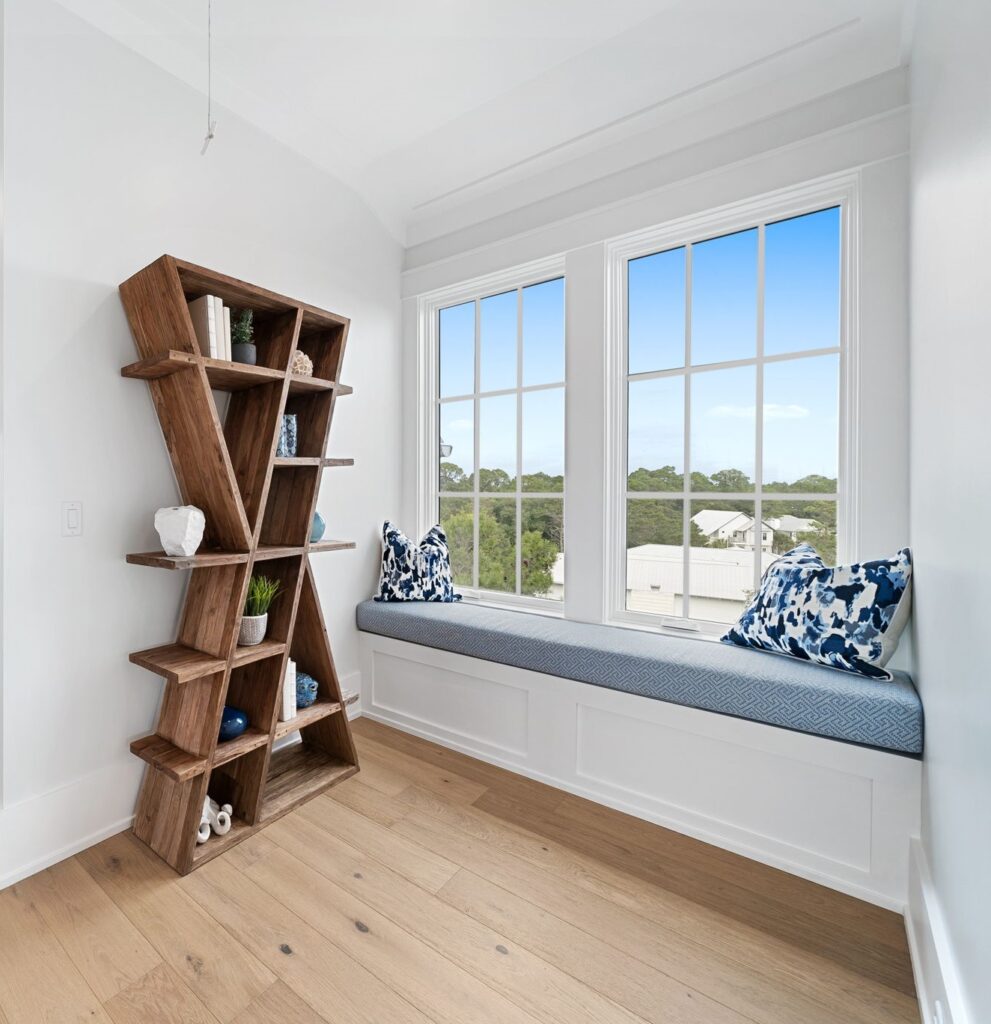
What Makes a Reading Nook Feel Cozy?
A cozy reading nook is more than just an armchair and a lamp in a corner. For residents in Santa Rosa Beach, FL, comfort often means light textiles, relaxed seating, and design choices suited to the area’s mild, humid climate. Beyond aesthetics, coziness in this region often involves attention to airflow, natural lighting, and durability against salty air.
Creating a comfortable reading nook begins by considering these local needs:
- Choose materials that breathe well and resist mildew, such as cotton, linen, or performance fabrics.
- Favor flexible seating that won’t trap heat or become sticky during warmer months.
- Use layered lighting so the nook can adapt to both bright, sunny afternoons and overcast Gulf Coast mornings.
Individual preferences matter, but in Santa Rosa Beach, climate-appropriate comfort is key.
Where Should You Create a Reading Nook at Home?
The ideal location depends on available space and daily routines. Many area households find that a nook fits best in:
- A sunroom with a view of the outdoors
- An unused corner of a bedroom or living area
- A loft or landing with quiet separation from main living spaces
In Santa Rosa Beach homes, screened porches or window-lined alcoves are often ideal, thanks to natural light and gentle breezes. Place seating near a window but not directly in harsh afternoon sun, which can fade fabrics and cause discomfort. In multi-level homes, the space under staircases is sometimes overlooked for nooks and can work well if it’s quiet and away from busy pathways.
How Can You Maximize Comfort and Function in Small Spaces?
Many local homes, especially those near the beach, feature open layouts or compact footprints. Creating a nook doesn’t require a dedicated room—creative use of space is often more important than square footage.
To make the most of limited space:
- Select an armless chair, cushioned bench, or window seat to avoid crowding.
- Install floating or wall-mounted shelves for favorite books so floor space stays clear.
- Use lightweight curtains or shades to control glare and add softness.
- Incorporate a small side table or wall shelf for drinks, notes, or reading glasses.
Mirrors can help bounce natural light from windows deeper into the nook, making even a small corner feel more inviting and spacious.
What Lighting Is Best for a Reading Nook—Especially in Santa Rosa Beach?
Good lighting makes the difference between a reading haven and an underused seat. In this area, daylight is abundant, but it shifts throughout the season. Begin with as much natural light as possible, but don’t rely exclusively on it.
Locals can benefit from layered lighting options:
- Adjustable table or floor lamps with warm, soft bulbs reduce eye strain without feeling harsh at night.
- Wall sconces, especially those with dimmers, save space and create ambiance.
- For outdoor or semi-outdoor nooks (like screened porches), select fixtures rated for high humidity and use low-glare LED bulbs to keep bugs at bay while reducing heat.
As the Gulf weather can bring sudden storms, ensure access to good artificial lighting for rainy afternoons or evening hours.
What Materials and Colors Work Well in the Coastal Climate?
Santa Rosa Beach homes face unique environmental demands. Salt air, humidity, and sandy feet mean reading nooks should feature forgiving finishes and easy-care materials.
Practical options include:
- Upholstery in light, breathable, and easily cleaned fabrics
- Coastal-inspired palettes—soft blues, whites, sandy neutrals, or greens—that reflect the local landscape
- Rugs made of cotton, polypropylene, or indoor-outdoor blends to handle moisture
- Throws and pillows that can be machine washed
Avoid velvet, heavy wools, or deep pile carpets unless the nook is fully climate-controlled, as these can hold humidity and require extra upkeep.
How Can You Enhance Privacy and Reduce Distraction?
A peaceful nook invites concentration and relaxation. Privacy matters even more in busy households or open-plan layouts. Popular local solutions include:
- Placing bookshelves or tall plants between the nook and the rest of the living area to naturally define the space
- Using lightweight folding screens, which can be moved or stored easily if needed
- Adding sound-absorbing textiles—such as a plush rug or padded seat—to soften background noise
Soft music, wind chimes positioned near an open window, or small tabletop fountains can offer soothing background sound, masking household activities without isolating the nook completely.
Are There Common Mistakes Residents Make When Creating a Reading Nook?
Several recurring issues often crop up locally:
1. Failing to allow for airflow, leading to stifling spots during summer afternoons; opt for seats near operable windows or ceiling fans.
2. Overcrowding the nook with furniture or decor; simplicity has a bigger impact on comfort, especially in smaller beach homes.
3. Neglecting humidity-resistant finishes; even interior corners may feel damp at certain seasons.
4. Misjudging lighting needs—daylight is strong but variable, so flexible lighting is essential.
Attention to these factors can prevent discomfort or underuse.
How Can You Make the Nook Reflect Your Personal Style?
A reading nook should feel like a retreat. Personalization can come through:
- Displaying favorite books, photographs, or keepsakes on nearby shelves
- Adding local artwork, such as beach or dune scenes, to reinforce connection to the area’s beauty
- Choosing pillows, blankets, or light slipcovers in patterns or textures you love
- Setting up a basket for current reads, sketchbooks, or journals
Let the nook grow and change as your tastes evolve. Keeping the setup lightweight and easy to adjust lets the space stay fresh throughout the year.