

 See My Latest Article on HelloNation
Why Do Blank Walls Matter in Local Homes?
Blank walls are common in many Santa Rosa Beach, FL homes, especially in newer construction or recently repainted spaces. Left empty, these large surfaces can make interiors feel unfinished or impersonal. Decorating walls thoughtfully helps create warmth, introduce personality, and support the relaxed coastal lifestyle many residents enjoy.
For homes in the area, tackling blank walls can also address issues unique to open-concept layouts, abundant daylight, and the desire for easy seasonal refreshes. Approaching these spaces intentionally leads to more welcoming, functional, and expressive interiors.
What Are the First Steps to Take Before Decorating a Wall?
It’s helpful to assess both the function of the room and how you want the space to feel. Begin by asking:
- What activities regularly happen in this part of the home?
- Is the light bright and direct, or is it a dimmer area needing visual interest?
- Which colors or textures recur in other parts of the room?
Take simple measurements of the wall’s visible space. Note any switches, thermostats, or architectural features that will impact placement. Consider if the wall gets direct sun most of the day—this may influence material choices due to humidity or fading.
How Can Art and Photography Make a Wall Stand Out?
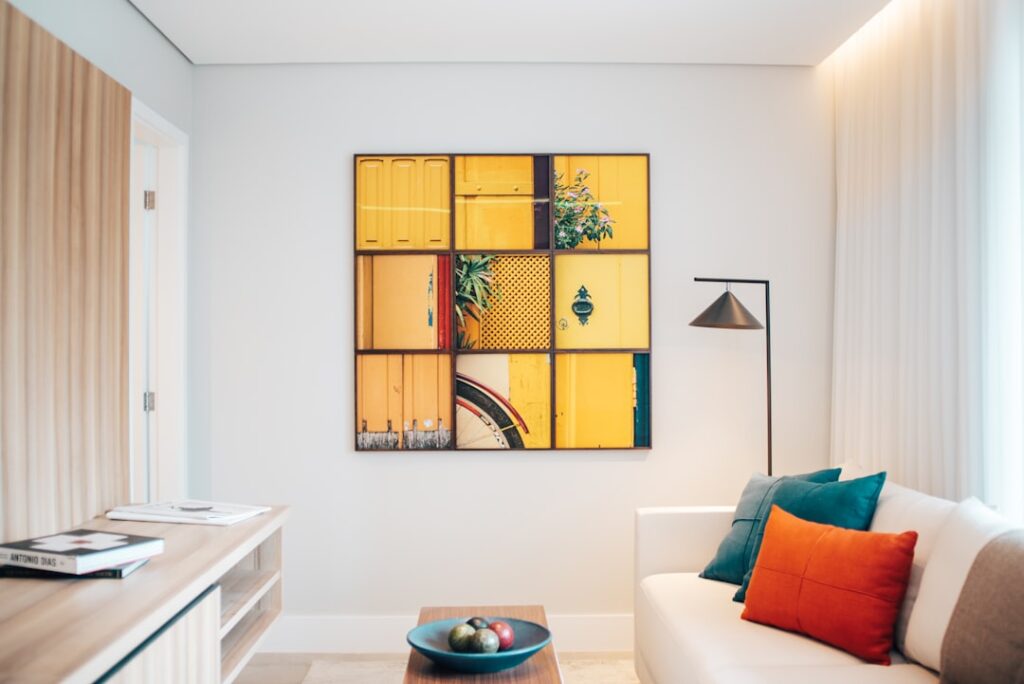
Artwork and photography are popular for good reason. Even a single large piece can anchor a living area or bedroom, lending a focal point without clutter. Residents in Santa Rosa Beach often display artwork inspired by local landscapes, beaches, or abstract scenes that complement the natural light.
Gallery walls—where a collection of smaller works is grouped intentionally—work especially well in hallways or above sofas. Mixing frame styles and media (prints, paintings, photographs) creates an informal, collected look. For a unified feel, stick to a common frame color or matting style; for more eclectic rooms, vary the arrangement and sizes. Always use hangers appropriate for wall type (drywall vs. plaster).
How Do Mirrors Change the Feel of an Interior?
Mirrors reflect both light and scenery, quickly making a room feel larger and brighter. This is especially effective in homes with deep porches or limited direct sunlight.
Key points for mirror placement:
- Hang across from windows to maximize daylight distribution.
- Use round or organically shaped mirrors for visual softness—which pairs well with coastal interiors.
- Large floor mirrors can open up smaller bedrooms or entryways.
In high-humidity environments like Santa Rosa Beach, choose frames made from sealed wood, metal, or composite that resist warping.
What About Displaying Collections or Personal Treasures?
Displaying collections—such as seashells, vintage finds, or local crafts—celebrates local identity and memories. Floating shelves or wall-mounted ledges can turn common items into an eye-catching installation.
Tips for meaningful displays:
- Rotate items seasonally to keep the space fresh.
- Avoid overcrowding; leave open space around each object.
- Use shadow boxes for fragile or valuable items that need protection from dust and humidity.
Wall hooks or racks can transform hats, baskets, or small woven objects into functional, decorative groupings, perfect for casual living areas.
Can Wall Décor Add Texture and Depth?
Texture makes a room feel more comfortable and layered. Textiles are a popular, low-commitment way to introduce this effect.
Some options for the area include:
- Lightweight woven wall hangings that suit the humid climate.
- Framed fabric remnants in colors or patterns that echo outdoor views.
- Hanging tapestries or even flat-weave rugs for larger statement areas.
Wood wall panels—if finished for moisture resistance—bring warmth and echo the natural setting. Removable wallpaper or decals let renters or frequent redecorators change the look with little fuss.
How Do Plants and Greenery Work on Blank Walls?

Living art, such as wall-mounted planters or vertical gardens, brings an organic, calming effect indoors. For Santa Rosa Beach homes, focus on species that can handle bright indirect light and mild seasonal temperature swings.
Consider these plant-friendly approaches:
- Hang a series of small planters in geometric arrangements for an airy, modern look.
- Install a dedicated shelf for trailing vines or succulents, keeping in mind weight and water drainage.
- Choose pots and planters in natural finishes to complement coastal décor and avoid rust or fade in sunny spots.
Wall-mounted plant holders can fill narrow, overlooked spaces while keeping surfaces clutter-free.
What Are Some Common Mistakes or Overlooked Factors?
Several details are easy to miss:
- Hanging art or objects too high—center most pieces at about eye level (roughly 57 to 60 inches from the floor).
- Neglecting humidity: Avoid materials that warp or deteriorate with sea air, especially untreated wood or paper-based art.
- Skipping planning: Test arrangements with craft paper templates before putting holes in the wall.
- Thinking only in two dimensions: Elements like hanging baskets, layered frames, or 3D sculptures create interest and break up large expanses.
Being mindful of glare, especially in rooms with big windows or glass doors, ensures décor stays visible and enjoyable.
How Can Wall Décor Adapt with the Seasons or Lifestyle Changes?
Seasonal rotation is common in the community, especially with holidays and shifting activities. Removable hooks, changeable frames, and easily switched-out décor make updates stress-free.
Flexible ideas include:
- Swapping framed prints for seasonal photography or children’s art.
- Changing out textiles to match summer, fall, or spring palettes.
- Using temporary wallpaper or decals to refresh spaces before gatherings or guest visits.
Residents often reorganize entry or mudroom walls with hooks and baskets to reflect changing gear—like sunhats and towels in summer, umbrellas and bags in cooler months.
A well-decorated wall can evolve along with a household, supporting both practical needs and personal style. By considering light, climate, and local routines, anyone can create inviting and authentic wall spaces that fit life in Santa Rosa Beach.