

 See My Latest Article on HelloNation
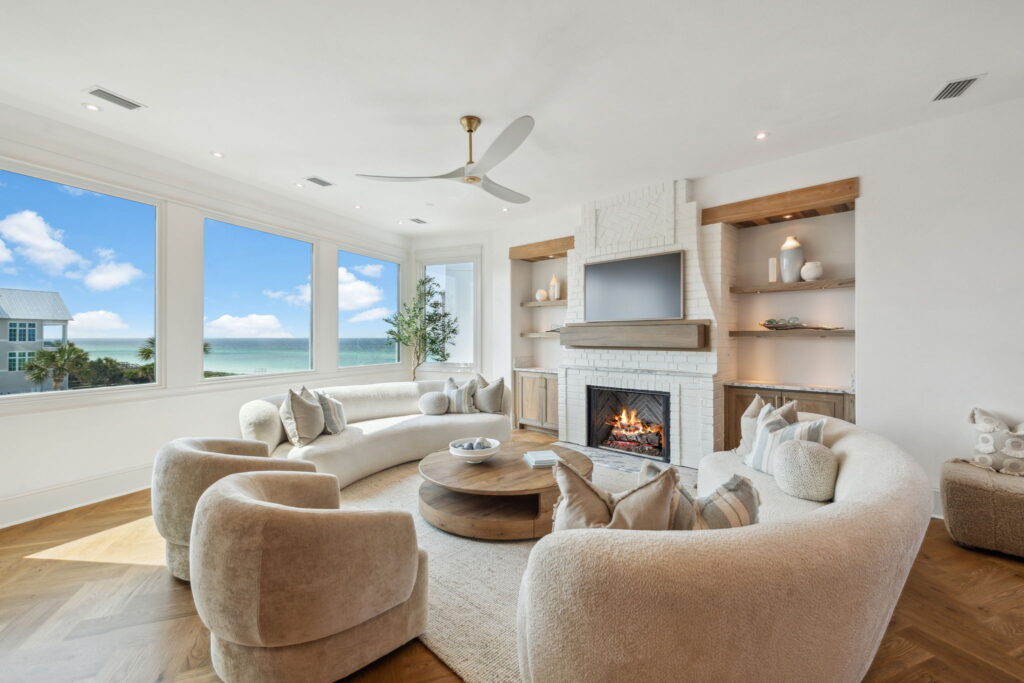
Why Do Throw Pillows Matter for Sofas in Santa Rosa Beach, FL?
Throw pillows are a simple way to refresh a living space without major renovations or new furniture. For homes in Santa Rosa Beach, a setting known for relaxed coastal living and humid, sunny weather, pillows can add seasonal comfort, highlight local design trends, and pull color schemes together year-round.
Beyond looks, thoughtful pillow choices support how people in the community use their sofas—whether for relaxing after a beach day, hosting guests, or unwinding at home during warm evenings with open windows. The right pillows enhance both comfort and style without overwhelming the naturally airy feel typical of the area’s interiors.
How Many Pillows Should a Sofa Have?
Most area households find that two to five pillows work for standard-sized sofas common in local homes. Fewer pillows keep things tidy and won’t crowd seating, which is useful in homes with active lifestyles or guests.
Factors to consider when deciding on quantity:
- Size of the sofa: A larger, deeper sofa can support more pillows than a loveseat or slim settee.
- Sofa style: Modern sofas generally use fewer, larger pillows; classic or transitional styles can handle an even mix of sizes.
- Room function: If the sofa is a main seating area, leave enough open space so the pillows don’t interfere with relaxing or family activities.
A common approach in the community is to start with an odd number—such as three or five—for a visually balanced, informal look.
What Colors and Patterns Work Well for Local Style?
Homes near the Gulf Coast often use colors that echo outdoor surroundings and natural light. Choosing throw pillow colors and patterns that reflect Santa Rosa Beach’s character can further connect indoor and outdoor living.
Practical tips:
- Coastal-inspired colors like sandy neutrals, seafoam green, and sky blue are popular, as they brighten up spaces affected by bright sunlight and salt air.
- Layering patterns—mixing simple stripes, subtle geometrics, and solid colors—keeps the arrangement interesting without feeling chaotic.
- Avoid dark, heat-retaining fabrics in favor of light hues, which resist fading from sunlight through large windows or patio doors.
A common misconception is that matching all pillows exactly creates a more designed look. In fact, mixing styles looks more natural and reflects the informal, inviting atmosphere of the city.
What Fabric Choices Work Best in This Climate?
Santa Rosa Beach’s humidity, occasional salty breezes, and long sunny days all affect fabric performance. Select materials designed to withstand local conditions:
- Linen and cotton are breathable, resist overheating, and feel comfortable against the skin.
- Performance blends or fabrics labeled as fade-resistant will last longer if sofa pillows are exposed to direct sunlight.
- Removable, washable covers are practical for sandy feet, pets, or frequent entertaining.
Synthetic options like polyester can be a good fit for outdoor pillows on screened porches, as they are more resistant to moisture. However, avoid heavy velvets or decorative trims that may not hold up well in humid or high-use spaces.
How Do Size and Shape Influence the Overall Look?
Pillow size and shape have a big impact on both comfort and appearance. Local homes often feature open-concept living rooms where design details are easily visible.
Key ideas:
- Standard 18” or 20” square pillows work for most sofas, especially when paired with a lumbar pillow for lower-back support.
- Mixing shapes—like one rectangular pillow in front of a couple of squares—adds dimension.
- Consider oversized pillows for deep sofas, providing better support while encouraging laid-back lounging.
- Use smaller pillows for accent chairs to avoid overwhelming their proportions.
A balanced mix feels collected but not cluttered. If the sofa frames a view, don’t block it with too many tall pillows.
How Should Pillows Be Arranged on the Sofa?
Arranging pillows strategically highlights the shape of the sofa and can change the mood of the room. The most effective arrangements in the community prioritize both comfort and aesthetics:
- Anchor the corners with the largest pillows.
- Layer medium and smaller pillows toward the center.
- Angle or slightly overlap pillows for a more relaxed, lived-in effect.
Keep at least one or two seats clear for sitting. If the sofa regularly doubles as a guest bed, use fewer pillows for easier conversion.
Are There Any Local Considerations for Seasonal or Lifestyle Adaptations?
Living in a location with mild winters and humid summers means flexibility is helpful. Many local residents switch pillow covers seasonally:
- Light, cool fabrics and brighter colors for spring and summer support a fresh, beach-inspired atmosphere.
- Heavier textures like knits or nubby weaves in mud-safe tones work well for fall and winter or during rainy spells.
Storage is another consideration—removable covers can be switched out and laundered as needed, keeping the sofa comfortable and clean through all seasons.
What Mistakes Should Be Avoided?
Several common missteps can make a space feel less inviting:
- Overmatching—choosing identical pillows that blend in too much with the sofa or each other.
- Using only small pillows, which often get lost on full-size sofas.
- Selecting fabrics that are uncomfortable or impractical for the climate, such as heavy wools or silks that trap humidity or show water spots easily.
Making thoughtful, climate-conscious choices keeps the living room welcoming for guests and enjoyable for everyday living.