

 See My Latest Article on HelloNation
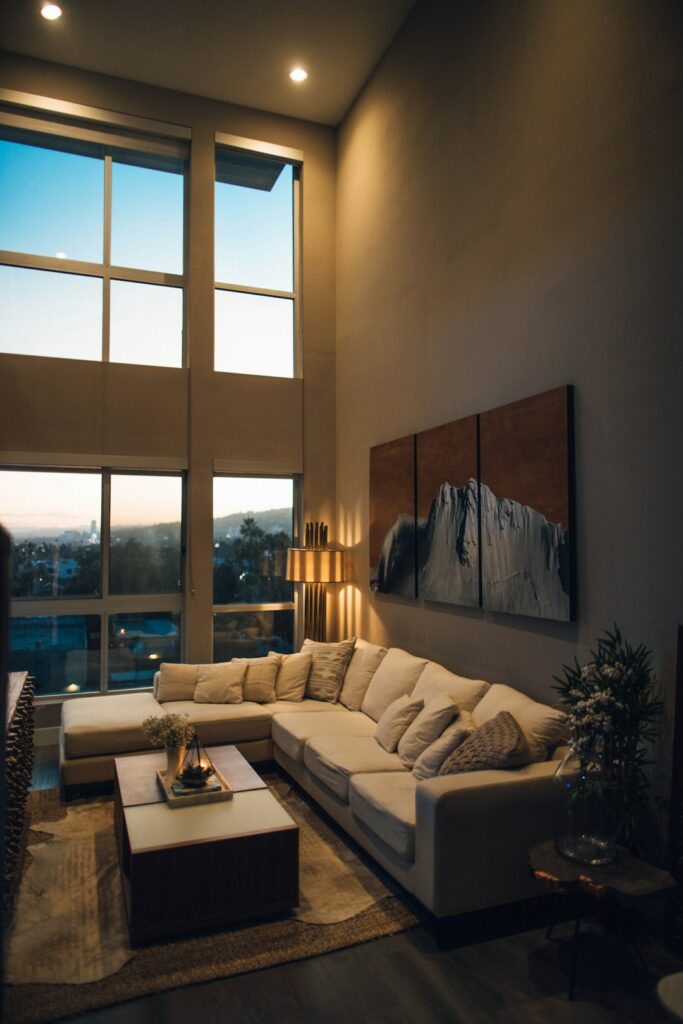
What Does “Layering Lighting” Mean in Coastal Homes?
Layered lighting means combining different light sources—overhead, task, and accent—to create warmth and flexibility in a space. In homes throughout Santa Rosa Beach, layering lighting is often necessary since open floor plans, high ceilings, and plentiful windows change daytime and evening needs. Rather than relying on a single ceiling fixture, intentional layers help rooms feel welcoming and adapt to different activities, especially as natural daylight shifts with time of day and the local weather.
Why Is Warm Ambience Important for Santa Rosa Beach Residences?
Warm lighting encourages relaxation and fosters connection, especially after bright, sun-soaked days or during cooler, quieter seasons on the coast. Unlike harsh or flat lighting, a multi-source lighting plan can balance the natural brightness of local days with comfort on stormier afternoons or peaceful evenings. Creating a warm ambience is especially popular with area households seeking a year-round inviting environment, whether returning from the beach or winding down after hosting neighbors.
How Should Local Residents Mix Different Types of Lights?
For homes in Santa Rosa Beach, focus on three main categories:
- Ambient lighting: Provides overall illumination, such as recessed can lights or ceiling fixtures. For open living areas, consider dimmable switches to adjust brightness depending on the time of day and season.
- Task lighting: Focused fixtures for work zones, like reading lamps by a sofa, pendant lights over kitchen islands, or under-cabinet strips. Since humidity and salt air can affect fixtures, selecting moisture-resistant options for task lighting in kitchens and bathrooms is helpful.
- Accent lighting: Adds character—think table lamps, sconces, or LED strips highlighting artwork or architectural features. Rope lighting along shelves or behind headboards is a low-fuss way for area residents to introduce subtle accent illumination.
A common misconception is that layering requires buying multiple new fixtures. In reality, simply rethinking placement or adding a lamp or two can dramatically affect how each room feels.
What Bulb Types and Temperatures Create a Cozy Effect?
For a warm, inviting feeling that works well with the coastal character of Santa Rosa Beach homes, choose bulbs labeled “warm white” or “soft white” (about 2700K–3000K). Cooler, blue-toned bulbs (4000K+) tend to feel harsh, especially after sunset or during overcast days common outside the peak season. LED bulbs are popular for their efficiency, but be sure to check their color temperature before buying.
Tips for local households:
- Use the same type and temperature in the same room to avoid patchy or mismatched tones.
- Opt for dimmable bulbs with compatible switches, giving control for mood changes throughout the evening.
- In high-moisture zones (such as near entryways or bathrooms), look for bulbs rated for damp or wet locations.
How Can Natural Light Be Part of the Layering Plan?
The unique daylight in Santa Rosa Beach—sometimes abundant, sometimes filtered through afternoon showers—should be part of your lighting equation. During the day, window placement, sheer curtains, and reflective wall colors can amplify or soften sunlight. As daylight fades, transition to layered electric lighting to maintain a cozy feel.
Practical approaches:
- Place mirrors or light-colored surfaces opposite windows to brighten darker corners.
- Use floor or table lamps to supplement shaded spots, especially during winter months when the daylight fades faster than most expect.
- Leave accent lighting or sconces on timers for gradual transitions from daylight to evening.
What Are Some Local Considerations for Lighting Placement?
Open layouts and multipurpose spaces are common in the community, and ceiling heights can vary. Place light sources at different levels—overhead, mid-level (like wall sconces or tall lamps), and low-level (such as table lamps or cove lighting)—for balanced illumination.
For outdoor living areas and screened porches frequently used by residents:
- Use string lights, lanterns, or LED candles to softly illuminate gathering spots after sunset.
- Choose fixtures rated for humid or salty air to maximize durability.

Switch location also matters; multiple switches or smart controls allow flexibility for adjusting mood or shifting between social and quiet activities.
Are There Affordable Ways to Add Depth and Warmth Without Full Renovation?
Yes. Many residents mistake effective layering as requiring costly upgrades. In fact, small changes often make a big difference:
- Swap out “daylight” bulbs for warmer ones.
- Add dimmers to existing switches.
- Rearrange furniture to better utilize table or floor lamps.
- Use inexpensive plug-in fixtures (such as clip-on lights or LED strips) behind art or along shelves.
- Temporarily experiment with lamp placement to fine-tune your home’s ambiance throughout the year.
Which Common Mistakes Should Area Households Avoid?
Some lighting myths are widespread. Residents often:
- Rely only on recessed or overhead lights, making spaces feel flat.
- Overlook corners where low light creates dark, unwelcoming pockets.
- Mix bulbs with wildly different color temperatures, causing a disjointed effect.
- Ignore the adaptability of dimmers or layered switches, missing chances to shift mood with ease.
Creating a warm, layered lighting plan doesn’t mean more complexity—it simply means more flexibility and comfort, well-suited to the changing light and lifestyles of the Santa Rosa Beach community.