

 See My Latest Article on HelloNation
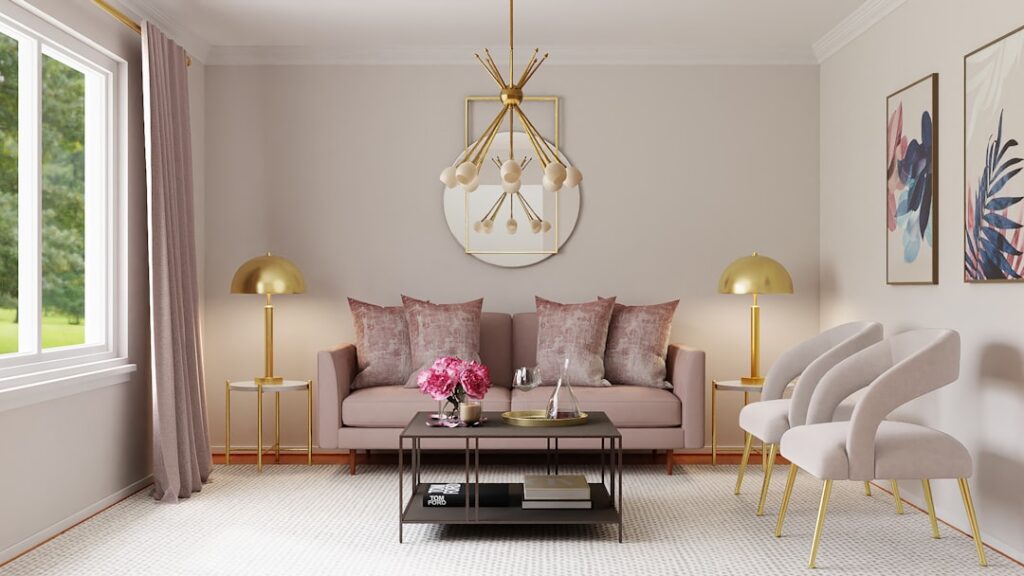
How Should Furniture Be Placed for Good Flow?
Good furniture arrangement starts with clear walkways and unobstructed movement. In Santa Rosa Beach, many homes—whether compact beach cottages or open-plan retreats—benefit from a layout that allows family and guests to circulate easily through rooms.
Start by identifying the main paths people travel, such as from the front door to the living area or kitchen. Avoid placing large pieces, like sofas or dining tables, in these lines of travel. Angle or float key furniture pieces slightly off the wall to open up space, especially in smaller homes where maximizing every inch counts. In gathering spaces, leave at least 3 feet of walkway between big items to accommodate daily movement, sandy feet, or even bulky beach gear brought in from outdoors.
What Should Be the Focal Point of a Room?
Every room works better with a clear focal point. This can be a window with an appealing coastal view, a fireplace for the occasional chilly Gulf breeze, or a favorite piece of art. Arrange main seating or feature furniture so that it faces or directs attention toward this focal element.
In Santa Rosa Beach homes, living rooms often feature large windows or sliding doors overlooking patios or dunes. Position sofas and chairs so that these views are easy to enjoy. If your room lacks a natural focal point, create one with a well-lit bookshelf or an arrangement of local artwork above a console table.
How Close Should Furniture Be for Conversation?
Arranging furniture for conversation is especially valued in local homes, where social gatherings and visiting family are common. Position seating so that people can speak comfortably without raising their voices—ideally, chairs and sofas should sit no more than 8 feet apart.
Circular or L-shaped arrangements help groups feel connected. Use side chairs that can be moved as needed when more seats are required. In open plans, area rugs visually group furniture and support a sense of togetherness, even in larger rooms.
Are There Special Considerations for Humid, Coastal Environments?
Yes. The humid, coastal conditions in Santa Rosa Beach influence both the type and spacing of furniture. Allow for airflow behind and around pieces, as this helps prevent moisture buildup—a frequent concern in homes close to the Gulf.
Consider these additional adjustments:
- Avoid blocking vents or leaving fabric upholstery flush against exterior walls.
- Leave a few inches between furniture and the wall for air to circulate, minimizing the risk of mold or mildew.
- Use washable slipcovers and lighter fabrics that can withstand damp or sandy conditions common in beach houses.
What’s the Best Way to Balance Large and Small Items?
A harmonious room relies on balancing the proportion of its furniture and décor. In area homes, oversized sectional sofas are popular but can visually weigh down a small space if not balanced with lighter, smaller pieces.
Distribute visual weight through the room:
- Pair a sturdy coffee table with more delicate side tables.
- Combine a substantial sofa with side chairs that have slender legs or wicker bases, echoing the breezy local aesthetic.
- Mix closed storage (like chests or baskets) with airy, open shelving for a comfortable yet uncluttered feel.
How Can You Maximize Space in Smaller Rooms?
Many Santa Rosa Beach homes make efficient use of limited square footage. Start by choosing fewer, multifunctional pieces—like sleeper sofas or ottomans with storage—to prevent overcrowding. Floating shelves keep floors clear and provide display space without adding bulk.
If the room seems cramped after a first arrangement, experiment by removing an extra chair or swapping large coffee tables for smaller round ones. Keep traffic patterns open and let natural light flow through the room to create a more open atmosphere. Lightweight furniture or pieces on casters can be easily shifted when entertaining guests or reconfiguring for seasonal needs.

Should Furniture Be Placed Directly on Rugs?
A rug helps define spaces, particularly in open-plan homes. For best results:
- In living rooms, try to fit all major furniture—sofa and chairs—at least partially on the rug. Placing just the front legs of a sofa or chair on the rug anchors the grouping while saving floor space.
- In dining rooms, the rug should extend at least 24 inches beyond the table so chairs remain stable and comfortable, even when pulled out.
- Thinner, flat-weave rugs work well in homes that see sandy or damp conditions, as they dry quickly and are easier to clean.
How Do Lifestyle and Entertaining Habits Affect Furniture Placement?
Local residents often entertain informally, mixing indoor and outdoor living. Leave flexible open spaces for hosting. Near doors to patios or porches, arrange seating to transition smoothly from inside to outside. Benches and lightweight chairs make it easier to adjust the layout for seasonal gatherings, game nights, or family visitors.
If young children or pets live in the household, round tables and softly upholstered pieces reduce bumps and scrapes. Slipcovers and washable fabrics are handy in homes where wet swimsuits, sunscreen, and outdoor gear are part of daily life.
What Common Mistakes Should Be Avoided?
Some frequent pitfalls include:
- Pushing all furniture against the wall, which can make a room feel cold or disconnected.
- Ignoring the importance of clear pathways, resulting in tripping hazards or cramped traffic lanes.
- Overcrowding with too many pieces; a few well-chosen, versatile items usually create a more inviting and practical space.
- Overlooking local factors—such as humidity, openness to the outdoors, and family routines—which shape what works best in the community.
By mindfully arranging furniture to fit local layouts, environmental factors, and lifestyle habits, residents can create comfortable, welcoming homes tailored to the unique pace and character of this Gulf-side community.