

 See My Latest Article on HelloNation
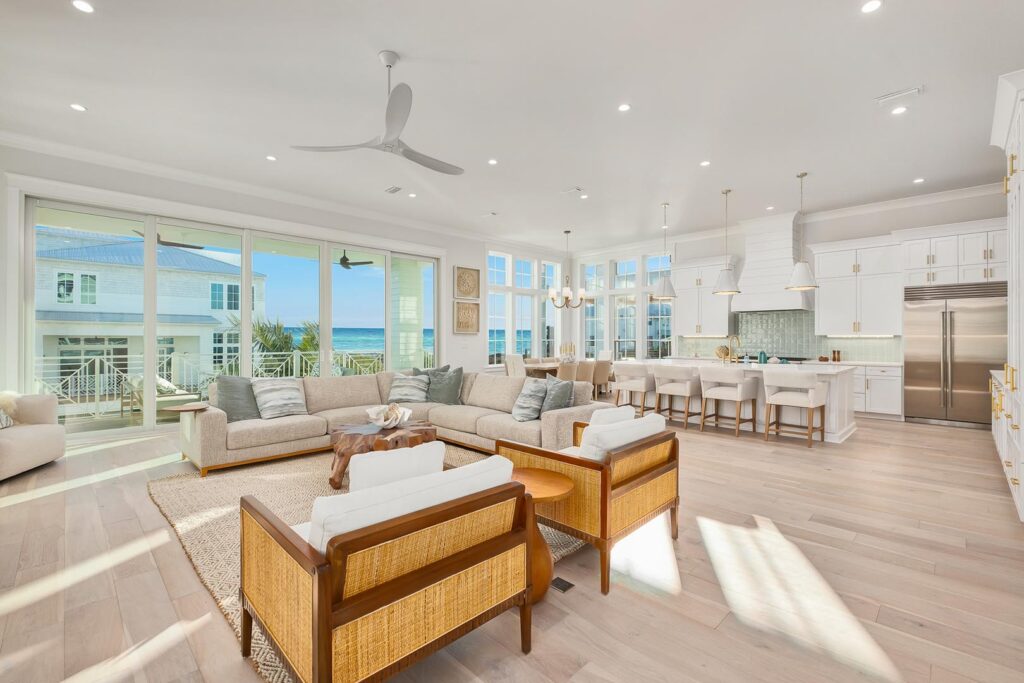
Why Does Area Rug Selection Matter in Santa Rosa Beach, FL?
Area rugs aren’t just decorative—they influence comfort, room acoustics, flooring longevity, and ease of maintenance. In the unique setting of Santa Rosa Beach, area residents contend with a humid, sandy, and often barefoot lifestyle. This climate, paired with open-concept homes and frequent indoor-outdoor movement, can make rug choice especially impactful. Making informed decisions can help area households protect floors, reduce cleaning burdens, and establish a welcoming environment.
How Should Rug Size Be Matched to Room Function?
Choosing a rug that fits the proportions and purpose of a space is crucial. Oversized or undersized rugs are frequent missteps, sometimes making a room feel visually lopsided or less functional.
- Living Rooms: Rugs should anchor main seating. Often, the front legs of sofas and chairs rest on the rug, while the back legs may remain off. This provides cohesion in larger, open-plan areas typical of Santa Rosa Beach homes.
- Dining Spaces: Size is determined by the dining table—with chairs pulled out, all legs should remain on the rug. This avoids both tipping hazards and floor scuffs, especially important for households with sandy feet or frequent entertaining.
- Bedrooms: A rug that extends at least two feet beyond each side of the bed allows for a soft landing in the mornings, reducing wear on bedroom floors. In smaller bedrooms, two runners on each side can offer similar comfort.
- Entryways: Select a rug that allows doors to open freely while still providing a wide enough landing to catch sand and moisture.
Which Materials Are Best for Local Needs?
Climate, household activity, and maintenance expectations guide material selection. In Santa Rosa Beach, salty air, humidity, and high foot-traffic mean certain materials outperform others.
- Natural Fibers: Wool resists soil and stains, and is comfortable underfoot, but may retain moisture in very damp rooms. Cotton rugs are softer and lighter but require more frequent washing.
- Synthetic Fibers: Polypropylene and similar synthetics resist moisture, mold, and sand intrusion. These options work well in high-traffic or semi-outdoor spaces but may flatten more quickly in humid conditions.
- Indoor-Outdoor Rugs: Designed to withstand damp flip-flops and sand, these are favored for entryways, patios, or screened porches.
Avoid silk, viscose, or high-pile plush in busy, sandy environments, as they can absorb moisture and trap grit easily.
What Style or Color Should Be Chosen for Santa Rosa Beach Homes?
Area residents often prefer lighter, casual decor. Rugs in coastal tones—such as pale blues, sandy beiges, and soft greens—complement both sunlight and relaxed interiors common in the area.
- Light Colors: They reflect natural daylight, brightening spaces but can show stains more easily. In households with pets, kids, or heavy outdoor activity, patterned designs or medium hues disguise spills and dirt.
- Low-Pattern Rugs: Subtle patterns add interest without overwhelming small rooms, while bold designs can help define distinct zones in open layouts.
If a room lacks color, a vibrant rug can be a balanced way to introduce personality. In contrast, neutral or subtly textured rugs let statement furniture or art stand out. Always consider fading resistance—the region’s sunlight can be intense, especially near windows.
How Do You Handle Cleaning and Maintenance?
Ease of cleaning should guide rug selection, especially for households exposed to sand, humidity, and routine messes. Not all fibers or constructions perform equally.
- Washability: Machine-washable or easily shaken-out rugs are practical for busy entryways, kitchens, or kids’ play spaces.
- Vacuuming: Low-pile rugs with tight weaves are easiest to vacuum and resist sand settling deep within fibers.
- Moisture Resistance: In bathrooms or semi-enclosed patios, moisture-resistant or quick-drying rugs prevent mildew.

Regularly shaking out, vacuuming, and occasionally deep-cleaning rugs is especially important in local homes where grit and saline air are daily concerns.
What Mistakes Do Homeowners Frequently Make?
Several errors are common, but each can be easily avoided with thoughtful selection:
- Choosing the Wrong Size: Rugs that are too small float awkwardly in living rooms or under dining tables.
- Neglecting Rug Pads: Skimping on an appropriate non-slip pad leads to bunching, trips, and excess floor wear—especially with humidity and shifting sand underfoot.
- Ignoring Local Lifestyle: High-pile or delicate rugs can feel out of place in humid, high-activity, or sand-prone homes.
- Overlooking Cleaning Needs: Choosing a rug that cannot be easily cleaned only adds frustration after trips from the beach or daily family use.
How Does Placement Change by Room Type?
Each room has unique needs:
- Hallways and Entryways: Runners help corral sand and moisture. Opt for tightly woven, low-profile options to ease door clearance.
- Living Spaces: Define sitting areas with a rug large enough that furniture feels anchored, not scattered.
- Bedrooms: For maximum comfort, extend the rug beyond sleeping areas, or use multiple runners in shared bedrooms.
- Bathroom and Laundry: Choose rugs that dry quickly and resist mildew, particularly if windows are regularly open to coastal air.
By tailoring area rug choices to the needs of each room and responding to the climate and habits of Santa Rosa Beach households, locals can balance comfort, style, and practicality throughout their homes.