

 See My Latest Article on HelloNation
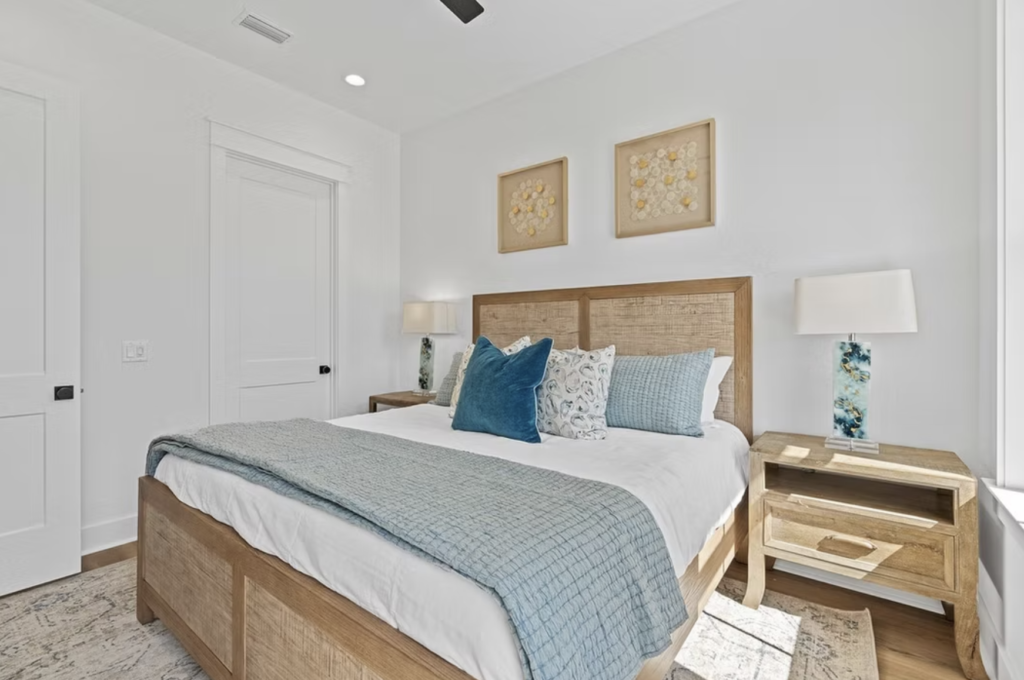
What can be used for an accent wall instead of paint?
In Santa Rosa Beach, FL, an accent wall can be created with wood, tile, wallpaper, stone, woven materials, plaster, or architectural trim. The most suitable choice depends on the room’s moisture level, natural light, maintenance needs, and the visual weight of the material.
An accent wall does not have to be dramatic. It can provide texture behind a bed, define a dining area, frame a fireplace, or add depth to a room with otherwise simple finishes. In coastal homes, materials that tolerate humidity, sandy traffic, and strong daylight generally perform better than delicate treatments.
Is wood paneling practical in a humid coastal home?
Wood can work well in a coastal home, but the material and installation method matter. Interior humidity changes can cause natural wood to expand, contract, or develop small gaps. Engineered wood panels, properly sealed solid wood, and stable decorative wall products are often easier to maintain than unfinished boards.
Useful applications include:
- Vertical slats behind a headboard
- Wide reclaimed-style boards in a living room
- Light-toned oak or ash-look panels in an entry
- Simple board-and-batten detailing in a hallway
- Thin wood strips used to create a subtle geometric pattern
A clear protective finish can help reduce staining and make dust easier to remove. In rooms exposed to damp towels, wet swimsuits, or frequent air-conditioning changes, avoid placing untreated wood where it may regularly absorb moisture.
Vertical boards can make a ceiling appear taller, while horizontal boards tend to emphasize a wall’s width. The scale of the boards should relate to the room. Narrow slats may look busy on a large wall, while oversized panels can overwhelm a small bedroom.
Can wallpaper be used without making a room feel dated?
Yes. Wallpaper can provide an accent without the visual heaviness associated with older, highly patterned interiors. Grasscloth-style textures, soft botanical designs, abstract linework, and restrained geometric patterns can add interest while allowing furnishings to remain simple.
For homes near the coast, vinyl-coated or washable wallpaper may be more practical in active areas than delicate paper-based products. However, “washable” does not mean waterproof. Wallpaper is generally better suited to bedrooms, studies, powder rooms, and dry living areas than to walls directly exposed to splashing.
Before installation, the wall should be smooth, clean, and free from recurring moisture problems. Wallpaper can conceal minor surface variations, but it should not be used to cover water intrusion, mold, loose drywall, or salt-related deterioration. Any underlying issue needs to be corrected first.
A common mistake is selecting a pattern based only on a small sample. View the material at several times of day. Strong sunlight can change how colors and texture appear, especially in rooms with large windows or reflective flooring.
What tile works for an accent wall?
Tile is a durable option for accent walls in kitchens, bathrooms, laundry rooms, and covered outdoor living areas. It can also be used in a living room or entry when the design calls for a more architectural effect.
Appropriate ideas include:
- Handmade-look ceramic tile in a simple vertical layout
- Large-format tile that resembles stone
- Small mosaic tile used within a recessed niche
- Textured tile behind a range or bathroom vanity
- Slim rectangular tile installed in a stacked pattern
Tile adds visual interest through shape, grout lines, sheen, and texture rather than color alone. Matte surfaces often feel calmer, while glossy surfaces reflect light and may make a room feel brighter.
In wet areas, the wall assembly, waterproofing, sealants, and grout are more important than the tile’s appearance. A decorative surface cannot compensate for incorrect waterproofing. Tile also adds weight, so the wall must be suitable for the installation.
Large-format tile can reduce the number of grout lines, but it requires a sufficiently flat surface and careful layout. Before choosing a bold tile, consider how permanent the pattern will feel alongside cabinetry, plumbing fixtures, and flooring.
Are natural materials such as stone, rattan, or woven fiber suitable indoors?
Natural materials can create warmth and contrast in rooms that otherwise contain smooth drywall, glass, or metal. Stone veneer, cane panels, seagrass, cork, and woven wall coverings can all function as accent treatments.
Stone veneer is most effective when used selectively, such as around a fireplace or on a short focal wall. A full-height stone wall may feel visually heavy unless the room has adequate natural light and relatively simple furnishings.
Woven materials bring softness and work particularly well in bedrooms, reading areas, and covered entry spaces. They should be kept away from persistent condensation or direct water exposure. Dust can collect in textured surfaces, so maintenance should be considered before installation.

Cork is another option for a study or home office because it provides a warmer surface and can support light pinning. It should be protected from excessive moisture and installed with attention to expansion at wall edges.
Can trim or molding create an accent wall without adding a new surface?
Architectural trim is one of the most adaptable alternatives to paint. Picture-frame molding, vertical battens, shallow paneling, and simple grids can add dimension while keeping the wall’s overall color quiet.
Trim works well in dining rooms, bedrooms, stair areas, and entry spaces. It can be painted to match the surrounding wall, finished in a contrasting tone, or left in a natural wood finish. Matching the wall and trim color creates a subtle shadow effect, while contrast makes the pattern more visible.
Proportion is essential. Large rectangles may suit a broad wall, while narrow spaces usually benefit from fewer, taller panels. Door casings, baseboards, windows, and furniture should be considered as part of the layout rather than treated as obstacles after the fact.
Another overlooked issue is cleaning. Detailed trim collects more dust than a flat wall, which may matter in homes with open windows, sandy foot traffic, or active household routines.
What should Santa Rosa Beach residents consider before choosing a material?
The local environment makes durability and moisture management especially important. Homes may experience humid air, intense sunlight, frequent air-conditioning, and seasonal increases in occupancy. Sand can also become embedded in textured surfaces or scratch delicate finishes during cleaning.
Before selecting an accent treatment, ask:
- Is the wall exposed to direct sunlight?
- Could wet clothing, towels, or condensation reach the surface?
- Will sand or dust collect in the texture?
- Can the material be wiped or repaired easily?
- Does the wall contain electrical outlets, vents, plumbing, or access panels?
- Will the treatment remain attractive if furniture or artwork changes?
- Is the wall sound enough to support tile, stone, or heavy panels?
A material that looks beautiful in a showroom may not be appropriate for a wall beside a frequently used entry or a bathroom with poor ventilation. Sample boards should be viewed in the actual room, preferably during morning and afternoon light.
Which accent wall materials are easiest to reverse?
Wallpaper, removable decorative panels, lightweight trim, and some fabric-based treatments are generally easier to change than tile, stone, or permanently bonded wood. Even removable materials require a clean, stable surface and careful removal to avoid damaging drywall or existing finishes.
If a room may be updated within a few years, choose a treatment that can be removed without extensive demolition. A restrained texture or simple panel pattern is also more likely to work with future furnishings than a highly specific design.
The most successful accent walls usually support the room’s architecture rather than compete with it. A textured wall behind a bed, a tiled backsplash, or a carefully proportioned panel design can provide depth while leaving the rest of the space calm and adaptable.