

 See My Latest Article on HelloNation
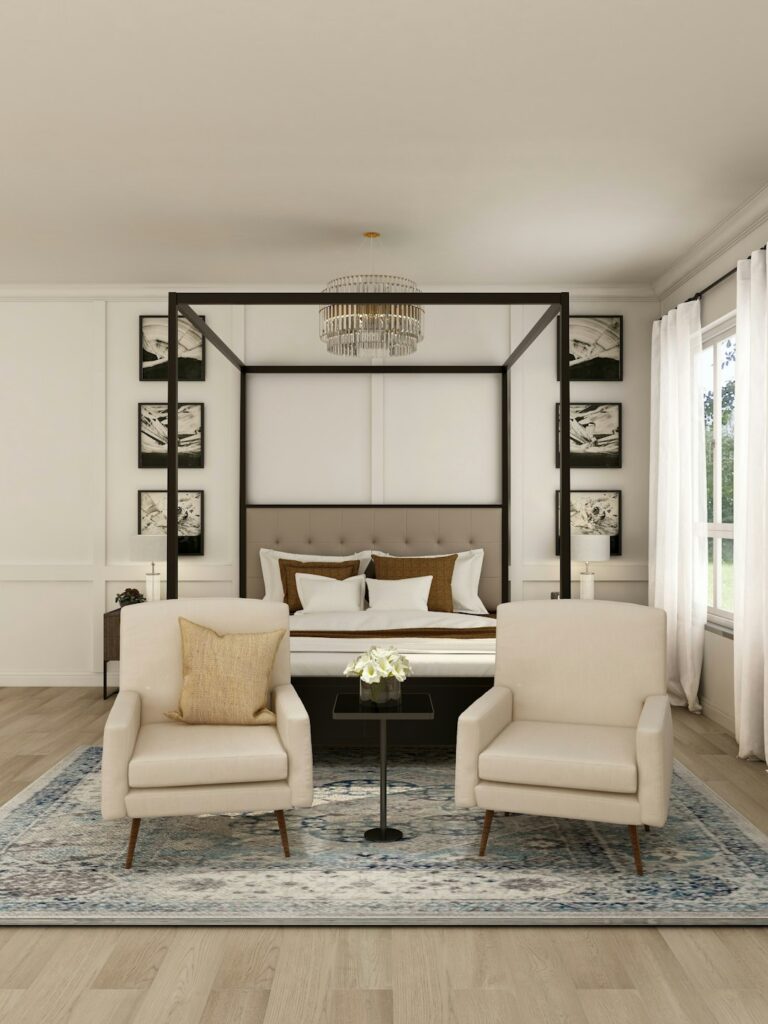
A bedroom retreat should support restful sleep, reduce visual stress, and remain comfortable through changing weather. In Santa Rosa Beach, FL, that usually means balancing a relaxed coastal atmosphere with practical decisions about humidity, airflow, sunlight, and everyday maintenance.
What makes a bedroom feel restful?
A restful bedroom has a clear purpose, a comfortable temperature, controlled lighting, and enough open space to avoid feeling crowded. Decorative style matters, but comfort usually comes from how the room functions.
Start by identifying what interrupts rest. Common problems include:
- Glare from uncovered windows
- A mattress or pillow arrangement that does not provide adequate support
- Clutter on nightstands and floors
- Excessive noise or light from nearby rooms
- Bedding that feels too warm or heavy
- Storage that requires items to remain visible
Once those issues are clear, design decisions become easier. The goal is not to fill the room with accessories. It is to create an environment that feels predictable, quiet, and easy to maintain.
How should the layout be arranged?
Place the bed where it feels visually anchored without blocking windows, doors, vents, or natural walking paths. In many bedrooms, positioning the headboard against the largest uninterrupted wall creates a stronger sense of order.
Allow enough clearance to move comfortably around the bed. Tight pathways can make a room feel smaller and may create safety concerns at night. Nightstands should be within easy reach, but they do not need to match exactly. Similar height and visual weight are often enough to create balance.
Consider the location of electrical outlets before finalizing the arrangement. Lamps, charging devices, and sound machines are easier to use when cords do not cross walkways. If a bed must be placed near a window, use window coverings that can provide privacy and light control without preventing ventilation.
For smaller rooms, choose furniture with more than one function. A storage bench, narrow dresser, or bed frame with concealed storage can reduce the amount of furniture required. Avoid oversized pieces that leave only narrow paths around the room.
Which colors work well for a relaxing bedroom?
Soft, low-contrast colors generally create a calmer background than highly saturated or sharply contrasting combinations. Pale greens, muted blues, warm whites, sandy neutrals, and gentle gray-beige tones can all work well when they complement the room’s natural light.
Color should be evaluated at different times of day. Bright daylight can make a wall color appear lighter and cooler, while warm lamps may make the same color look deeper or more yellow. Sample large areas rather than relying on a small paper card.
A restful palette does not need to be entirely pale. A deeper wall behind the bed, a woven headboard, or darker curtains can add definition without making the room feel busy. Keep the number of dominant colors limited, then add interest through texture.
In a coastal climate, avoid assuming that every bedroom needs a strongly themed coastal appearance. Natural materials, soft colors, and open space can suggest a relaxed setting without relying on nautical decorations or repetitive motifs.
How can humidity and warm weather affect bedroom choices?
Humidity influences both comfort and material performance. Fabrics, wood, upholstery, and paper-based items can all respond to moisture in the air, especially in rooms with limited circulation.
Choose bedding that can be washed regularly and layered according to the season. Breathable cotton, linen blends, and lightweight quilts are often easier to manage in warm weather than very thick comforters. A removable cover also makes routine cleaning simpler.
Window treatments should provide privacy and light control while allowing the room to remain adaptable. Layered options, such as a light-filtering shade with washable curtains, can help reduce glare during the day and create darkness at night.
Keep furniture slightly away from exterior walls when practical, particularly in rooms that feel damp or have a history of condensation. Good air circulation helps reduce musty odors and protects stored textiles. Avoid placing valuable artwork, books, or delicate materials in areas exposed to direct sunlight or fluctuating moisture.
Air-conditioning systems, ceiling fans, and dehumidification can affect bedroom comfort, but airflow should not blow directly across the bed if it causes dryness or discomfort. Regularly inspect areas around windows, closets, and exterior walls for signs of moisture. Persistent dampness is a building-condition issue rather than a decorating problem.
What lighting creates a better retreat?
A bedroom benefits from several types of lighting rather than one bright ceiling fixture. Ambient lighting provides general illumination, task lighting supports reading or dressing, and low-level accent lighting can make the room feel more settled in the evening.
Bedside lamps should be tall enough to illuminate a book without shining directly into the eyes. Wall-mounted fixtures can save space, but their placement should be planned before finishing walls or moving furniture.
Use warmer light in the evening and brighter, more even light for dressing or cleaning. Dimmers are especially useful because they allow the same fixture to support different activities.
Natural light also needs to be controlled. Blackout or room-darkening materials can help people who sleep during the day, while adjustable shades allow morning light without requiring the room to remain fully exposed. Light-colored window treatments may reduce heat gain, but their effectiveness depends on fabric density, fit, and how much of the window they cover.

How should storage be handled?
A calm bedroom usually has fewer visible objects. Storage should make it easy to put items away, not simply provide more places to accumulate them.
Use nightstands for essentials rather than general storage. A small tray can contain glasses, a watch, or reading materials, while drawers keep chargers and personal items out of sight. In closets, group clothing by use and season so frequently needed items remain accessible.
If the room includes open shelving, limit the number of displayed objects and leave open space between them. Baskets can organize loose items, but too many containers may create another layer of visual clutter.
Under-bed storage is useful for infrequently used linens, but it should remain accessible enough to clean beneath the bed. In a humid environment, sealed or breathable containers may be preferable to leaving textiles exposed to dust and moisture.
Which textures make the room feel comfortable?
Texture adds warmth without requiring strong patterns. A combination of smooth cotton, woven fibers, matte wood, soft upholstery, and a washable area rug can make a bedroom feel layered and comfortable.
Use patterns selectively. If the bedding has a noticeable pattern, keep curtains and large upholstered pieces quieter. If the walls and bedding are simple, texture can provide visual interest through a woven bench, a tactile throw, or a subtly patterned rug.
Choose rugs that are easy to clean and sized to extend beyond the sides of the bed. A rug that barely reaches the bed may look disconnected and can shift underfoot. In rooms exposed to sand, outdoor dust, or frequent foot traffic, low-pile options are often easier to maintain than thick, high-pile styles.
What details are often overlooked?
A bedroom can look attractive and still fail as a retreat if practical details are ignored. Check the following before considering the room finished:
- The bed can be made without moving heavy furniture.
- Curtains or shades provide adequate privacy at night.
- A clear path exists from the bed to the door and bathroom.
- Lamps and charging devices can be reached from the bed.
- Bedding can be washed and dried without unusual care.
- Vents and fans are not blocked by furniture.
- Mirrors do not reflect unwanted light toward the bed.
- Decorative items are secure and do not create hazards during nighttime movement.
A bedroom retreat is created through consistent comfort rather than decoration alone. Thoughtful placement, adjustable lighting, breathable textiles, controlled humidity, and manageable storage can make the room feel quieter and more restorative while still accommodating the everyday routines of local households.