

 See My Latest Article on HelloNation
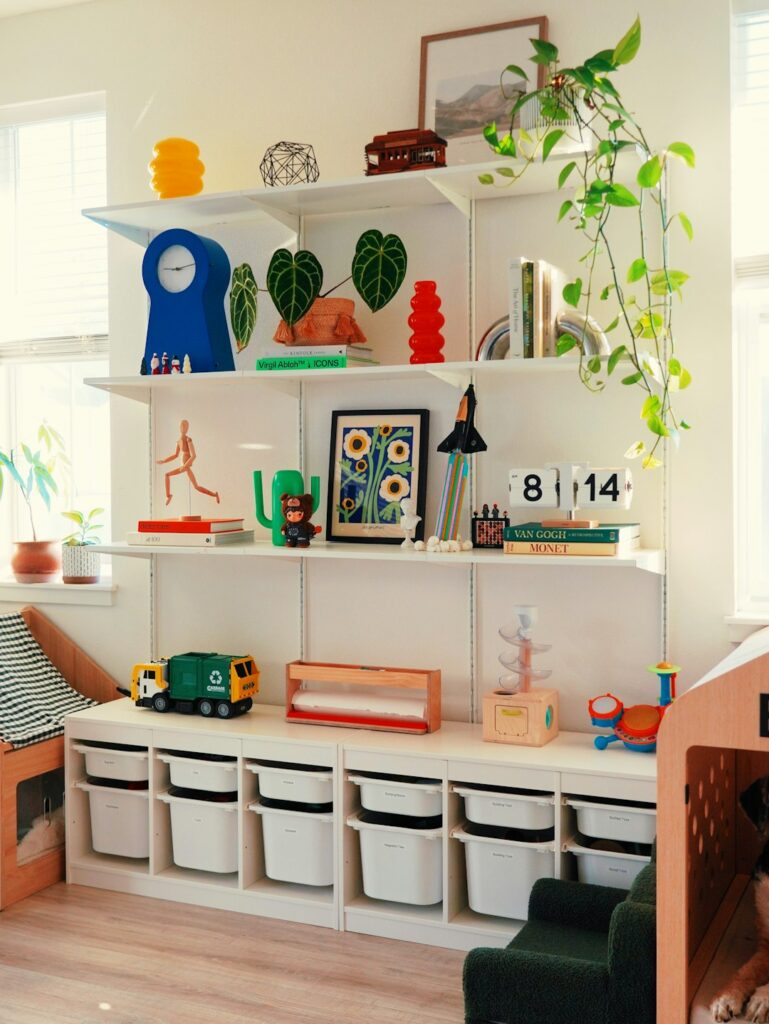
What makes a home genuinely kid-friendly?
A kid-friendly interior is not simply a room filled with toys or furniture with rounded corners. It is a space arranged around real family routines: movement, messes, changing interests, shared activities, and the need for adults to supervise without constant interruption.
In Santa Rosa Beach, homes also need to account for sand, humidity, bright sunlight, wet clothing, and frequent transitions between indoor and outdoor activities. Practical design starts with durability and visibility, then adds comfort and personality.
A useful family-friendly space usually includes:
- Clear paths for walking and play
- Storage children can reach and understand
- Surfaces that tolerate spills and frequent cleaning
- Furniture secured against tipping
- A balance of open space and defined activity zones
- Materials suited to moisture, sand, and heavy daily use
The goal is not to eliminate disorder. It is to make ordinary disorder easier to manage.
How should furniture be arranged for children?
Furniture should create open, predictable pathways rather than forcing children to weave around tables, ottomans, or decorative objects. Keep the center of a family room as open as possible, especially if children use the space for play, reading, or indoor movement during hot, rainy, or windy weather.
Place large furniture along the perimeter and leave enough space between pieces for comfortable circulation. Avoid positioning sharp-edged tables at the end of a frequently used walkway. Lightweight stools and small side tables can be useful, but they should be stable enough not to slide easily.
A room can be divided into zones without adding walls:
- A washable rug can define a play or reading area.
- A low shelf can separate toys from adult seating while preserving visibility.
- A small table can support drawing, puzzles, or homework.
- A bench near an entry can provide a place for shoes, bags, and wet items.
Open sightlines matter. Adults should be able to see children from commonly used areas such as the kitchen, dining space, or main seating area.
What storage works best for children?
The most effective storage is visible, reachable, and limited to a manageable number of choices. Deep bins and high shelves may hide clutter, but they often make it difficult for children to return items independently.
Use a combination of storage types:
- Open baskets for frequently used toys
- Low shelves for books and puzzles
- Closed cabinets for craft supplies, small pieces, or adult items
- Hooks placed at child height for hats, lightweight bags, and towels
- A designated basket for damp clothing or beach-related gear
Labels can help even before a child reads. Simple drawings or photographs can identify categories such as blocks, art materials, books, or outdoor items.
Avoid overfilling shelves. Leaving some empty space makes cleanup easier and prevents objects from falling when children reach for something. Rotating toys every few weeks can also reduce visual clutter and renew interest without requiring additional storage.
Which materials are practical in a coastal home?
Materials should be selected for cleaning, drying, fading, and repeated use. Homes near the coast often experience more sand and moisture than households farther inland, so delicate finishes may require unnecessary maintenance.
For floors, sealed hard surfaces and durable tile are generally easier to sweep and mop than thick wall-to-wall carpeting. Area rugs can still provide softness, but choose low-pile or washable options that do not trap large amounts of sand.
For upholstered furniture, tightly woven fabrics and removable covers are practical choices. Performance should be judged by how easily a surface can be vacuumed, spot-cleaned, or aired out—not only by its appearance in a showroom.
Helpful material considerations include:
- Matte or textured finishes that show fewer small marks than glossy surfaces
- Washable paint in busy areas
- Moisture-resistant baskets rather than untreated natural fibers near entry points
- Securely fastened rug pads to reduce slipping
- Window coverings that can tolerate strong sunlight without rapid deterioration

Natural fibers can be comfortable and attractive, but they may need more careful placement where wet swimsuits, sandy feet, or frequent spills are common.
How can a family manage sand, water, and wet clothing?
A transition area near the main entrance can prevent outdoor conditions from spreading through the home. It does not need to be a separate mudroom. Even a small section of wall or floor can serve the purpose if it includes the right elements.
A practical entry setup may include a washable mat outside and inside, hooks for lightweight items, a seat for removing shoes, and a ventilated place for damp towels or clothing. Keep a small hand brush or dustpan nearby so sand can be removed before it reaches rugs and upholstery.
Wet items should have a place to dry rather than being dropped over furniture. A rack, wall hooks, or a ventilated basket can reduce odors and moisture buildup. Avoid storing damp fabric in a closed cabinet until it is dry.
For homes with limited entry space, use one clearly defined drop zone instead of several scattered storage points. A single location is easier for children to remember and easier for adults to reset.
How should safety be handled without making a room feel restrictive?
Safety features should be integrated into the room rather than added as an afterthought. Anchor tall furniture, bookcases, dressers, and televisions to prevent tipping. Keep cords secured and out of reach, particularly near windows and sleeping areas.
Use window coverings without accessible looped cords, and keep furniture away from windows where children could climb. Store cleaning products, medications, sharp tools, and small choking hazards in secured locations.
Furniture corners deserve attention in play areas and narrow walkways. Rounded edges can reduce injury risk, but corner guards are not a substitute for stable furniture placement and supervision.
Electrical outlets should have appropriate safety protection, and lamps should be positioned where cords cannot become tripping hazards. In homes with stairs, pools, or elevated outdoor areas, interior planning should support secure transitions rather than encouraging children to run directly from one activity to another.
What colors and patterns work well for children?
A kid-friendly room does not need bright primary colors everywhere. Durable design often comes from a calm base with a few changeable accents. Wall color, artwork, bedding, baskets, and pillows can provide personality without making the room visually overwhelming.
Medium tones and subtle patterns can disguise minor marks better than very pale solids. However, camouflage should not replace cleaning. Choose surfaces that can be wiped and repaired easily.
For bedrooms and study areas, softer colors may support rest and concentration. In play spaces, stronger accents can help define activity zones. Use contrast thoughtfully so shelves, storage labels, and pathways are easy to see.
Allow children to contribute through removable artwork, a display rail, or a rotating collection of drawings. This creates a sense of ownership without committing the room to a theme that may quickly become outdated.
How can rooms adapt as children grow?
Flexible furniture and neutral foundations make it easier to adjust a room over time. A small child may need floor-level storage and open play space, while an older child may need a desk, equipment storage, or more privacy.
Plan for change by choosing:
- Shelving that can be rearranged
- A desk that can serve homework, crafts, or hobbies
- Bedding and artwork that can be updated without replacing major furniture
- Storage with a mixture of open and closed sections
- Furniture that can serve more than one purpose
Avoid designing every detail around a short-lived interest. A room can reflect a child’s personality through accessories and artwork while keeping major surfaces and furniture adaptable.
The most successful family interiors are not perfectly tidy or completely childproofed. They are arranged so children can participate safely, adults can supervise naturally, and everyday cleanup does not become a separate household project.