

 See My Latest Article on HelloNation
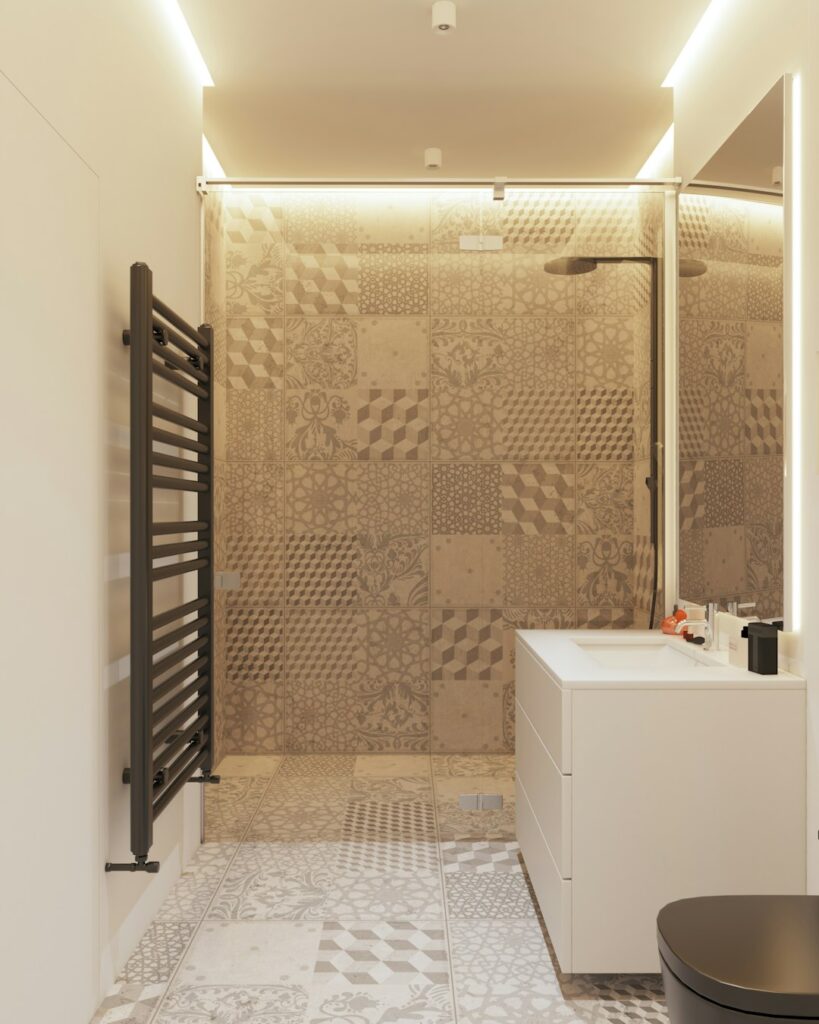
A small bathroom can feel noticeably larger without changing its footprint. The most effective improvements usually come from opening sightlines, reducing visual clutter, using light strategically, and selecting fixtures that fit the room rather than simply choosing the smallest available options.
In Santa Rosa Beach, FL, bathroom design also benefits from materials that tolerate humidity, frequent ventilation needs, and the sand and moisture often brought indoors from outdoor activities.
What makes a small bathroom feel cramped?
A bathroom feels smaller when the eye encounters too many visual interruptions. Heavy vanities, dark finishes, crowded countertops, thick shower frames, and poorly placed doors can make the room seem tighter than its measurements suggest.
The goal is not to remove every feature. It is to create clearer lines of sight and give each necessary element enough breathing room.
Start by identifying the largest visual obstacles:
- A vanity that extends too far into the walking path
- A shower curtain or enclosure that blocks the room
- Open shelves filled with miscellaneous items
- Dark grout lines across several surfaces
- A door that swings into the most useful floor area
- Bulky storage placed at eye level
Even one or two changes in these areas can improve the sense of space.
Which colors make a bathroom look larger?
Light, low-contrast colors generally make a small bathroom appear more open because they reflect more light and reduce visual boundaries. White, warm ivory, pale gray, soft blue, muted green, and sandy neutral tones can work well in coastal homes without making the space feel sterile.
A continuous color approach is often more effective than using many shades. For example, a pale wall color paired with similarly light tile and cabinetry can make the room appear more unified. Matching the wall and ceiling color may also reduce the sense of a sharp upper boundary.
This does not mean every surface must be plain white. Texture can add interest through subtle tile patterns, natural-looking wood tones, woven accessories, or brushed metal finishes. The key is to limit strong contrasts and avoid several competing patterns in a compact room.
Dark colors can still be used, but they are usually most successful as controlled accents rather than as the dominant finish. A dark mirror frame, vanity pull, or small section of tile can provide definition without visually closing in the room.
Should a small bathroom use large or small tile?
Large-format tile can make a bathroom look more spacious because it creates fewer grout lines. Fewer interruptions help floors and walls read as broader, more continuous surfaces.
For a compact floor, a moderately sized tile is often easier to work with than an oversized tile. Very large pieces may require numerous cuts around a toilet, vanity, or drain, which can reduce the intended visual effect. A rectangular tile installed lengthwise can help emphasize the room’s longer dimension.
Using the same or closely related tile in the shower and main floor may also create continuity. If a separate shower tile is preferred, keeping the color family similar can preserve the sense of flow.
In humid coastal conditions, slip resistance, moisture tolerance, and ease of cleaning matter as much as appearance. Smooth, polished surfaces may show water spots and become slippery when wet. A lightly textured, properly rated floor surface is generally more practical.
How can lighting make a bathroom appear larger?
Good lighting expands a small bathroom visually by reducing shadows in corners and around the vanity. A single ceiling fixture often leaves the mirror area dim, making the room feel enclosed.
A layered approach works better:
- General ceiling lighting for overall visibility
- Even lighting at the mirror for grooming
- Shower lighting where permitted and properly rated
- Optional low-level lighting for nighttime use
Mirror lighting should illuminate the face from both sides or from above and both sides. A light placed only overhead can cast shadows under the eyes and chin while leaving the rest of the room unevenly lit.
Natural light can also help, but window treatments should preserve privacy without blocking the entire opening. Frosted glass, filtered shades, or moisture-resistant privacy coverings can admit daylight while limiting glare.
In a warm, humid environment, efficient ventilation remains essential. A bright bathroom that stays damp may develop odors, mildew, or surface damage. The exhaust fan should be used during bathing and for a period afterward, especially when windows cannot provide adequate airflow.
Are floating vanities useful in a small bathroom?
A wall-mounted or floating vanity can make the floor appear more continuous, which often creates a greater sense of openness. Seeing more flooring beneath the cabinet gives the room a lighter visual quality and may make cleaning easier.
A floating vanity is not automatically better for every bathroom. It must still provide enough storage and be securely installed into appropriate wall framing. In homes where plumbing access or wall conditions limit installation options, a compact floor-standing vanity may be more practical.

Choose a vanity based on depth as well as width. A shallow cabinet can preserve walking space while still holding everyday supplies. Drawers are often more efficient than a cabinet with one large open compartment because they keep smaller items organized and accessible.
In homes used by guests or seasonal occupants, closed storage is especially helpful. It keeps toiletries, cleaning supplies, and spare towels from creating visual clutter between uses.
What type of mirror works best in a small bathroom?
A generously sized mirror is one of the simplest ways to increase the apparent size of a bathroom. It reflects light and extends the visual field, particularly when positioned across from a window or a well-lit wall.
A mirror that reaches close to the vanity edges usually looks more integrated than a small decorative mirror centered above the sink. In some layouts, a wide mirror extending toward a side wall can provide more visual openness than a narrow framed piece.
Mirrored medicine cabinets can add hidden storage without projecting as far into the room as wall-mounted shelves. Recessed versions offer an even cleaner profile when the wall construction allows them.
Avoid placing mirrors where they reflect clutter, an unattractive utility area, or a crowded storage zone. Reflection increases whatever is already visible, so the surrounding surfaces should remain relatively orderly.
How should storage be handled in a compact bathroom?
Small bathrooms need storage, but too much exposed storage makes the room feel busy. Prioritize concealed or vertically arranged solutions.
Useful options include:
- A recessed medicine cabinet
- Narrow shelving above the toilet
- Hooks instead of bulky towel bars
- A vanity with divided drawers
- Tall, shallow cabinetry
- A built-in shower niche with a simple edge detail
Use wall height without filling every available section. A narrow cabinet that reaches upward often uses less visual and floor space than a wide storage unit.
Keep frequently used items within easy reach and relocate rarely used supplies elsewhere. Open containers, duplicate products, and stacks of extra linens can quickly make a small room seem crowded.
What should Santa Rosa Beach homeowners consider before remodeling?
Moisture-resistant materials and careful ventilation deserve special attention in Santa Rosa Beach. Warm, humid weather can make condensation and slow drying more common, while sand can scratch some finishes and collect in floor transitions.
Choose durable, easy-clean surfaces for floors, shower walls, and countertops. Use sealed grout where appropriate, maintain flexible caulk joints, and avoid materials that require constant delicate care in a frequently used bathroom.
Before changing plumbing, electrical fixtures, walls, or door openings, verify applicable building requirements. Moving a toilet or shower drain can be significantly more complicated than replacing finishes. Electrical work near water also requires appropriate protection and installation practices.
The most successful small-bathroom improvements usually combine several modest decisions: a clearer floor, a lighter visual palette, better mirror lighting, closed storage, and finishes suited to the local environment. The room does not need to become larger to feel more comfortable; it needs to appear more continuous, usable, and calm.